Texas has some seriously beautiful lakes, and the Largest Lakes in Texas are super popular for boating. People head out there to cool off and have fun, but sadly, accidents happen. These aren’t just minor bumps; they can lead to really bad injuries, and sometimes, even worse. Figuring out what went wrong and who’s responsible can get pretty tricky, especially when you’re dealing with medical bills and the aftermath. This article looks at why these accidents happen on our favorite Texas waterways and what you need to know if you’re ever involved in one.
Navigating Texas Waters: Understanding Boating Accidents
Texas lakes are a huge draw for folks looking to cool off and have some fun, especially when that summer sun really starts beating down. But with all those boats out there, things can get a little dicey. Accidents happen, and they can range from minor fender-benders to really serious incidents. It’s not just about having a good time; it’s about staying safe out there.
Common Causes of Watercraft Incidents
So, what usually goes wrong on the water? A lot of it comes down to human error, honestly. Sometimes people just aren’t paying enough attention, or they’re going too fast for the conditions. Other times, it’s a lack of experience – thinking you can handle a boat like a car is a common mistake. We also see issues with:
- Operator inattention: People getting distracted by phones, conversations, or just not watching where they’re going.
- Speeding: Going too fast, especially in crowded areas or near shorelines, makes it hard to react.
- Equipment problems: A boat that hasn’t been maintained can have issues that lead to trouble.
- Environmental factors: Bad weather can pop up quickly, making conditions dangerous.
The Impact of Alcohol and Drugs on Boating Safety
This is a big one. Just like driving a car, operating a boat under the influence of alcohol or drugs is a really bad idea and, more importantly, it’s illegal. The sun, wind, and motion of the boat can actually make the effects of alcohol feel stronger. What might seem like just a couple of drinks on land can seriously impair your judgment and reaction time on the water. It’s a leading cause of serious boating accidents in Texas.
Operator Inexperience and Negligence
Many people who get out on Texas lakes might be new to boating, or they might just not take it seriously enough. There’s a real skill to operating a watercraft safely, especially when you’ve got lots of other boats around. Negligence can look like a lot of things – not following the rules of the water, not having enough life jackets, or just generally acting carelessly. It’s about more than just knowing how to steer; it’s about being responsible for the safety of everyone on board and everyone else sharing the water.
Injuries Sustained on Texas Lakes
Devastating Injuries from Collisions and Propeller Strikes
Accidents on Texas lakes can lead to some really bad injuries. When boats collide, people can be thrown from the vessel, leading to broken bones, head injuries, and even spinal cord damage. But perhaps one of the most horrific types of injuries comes from propeller strikes. These can cause deep cuts, severe bleeding, and sadly, sometimes lead to amputations. It’s a stark reminder of how quickly a fun day on the water can turn into a medical emergency.
The Risks of Drowning and Near-Drowning Incidents
Drowning is a major concern on any body of water, and Texas lakes are no exception. Even if someone is rescued quickly, a near-drowning experience can have lasting effects. Hypothermia is a risk, especially in cooler waters or if a person is submerged for a while. Then there’s the possibility of secondary drowning, where water in the lungs can cause breathing problems hours later. These incidents can be terrifying and have serious health consequences that might not be immediately obvious.
Long-Term Physical and Psychological Effects
It’s not just the immediate injuries that are the problem. Many people who survive serious boating accidents are left with long-term issues. Physical therapy might be needed for months or even years to recover from broken bones or spinal injuries. Traumatic brain injuries can affect memory, concentration, and mood. Beyond the physical pain, there’s often a psychological toll. Many survivors experience anxiety, fear of water, or even post-traumatic stress disorder (PTSD) after a traumatic event on the lake. This can really change a person’s life long after the physical wounds have healed.
Legal Ramifications of Boating Accidents
Establishing Liability and Proving Negligence
When a boating accident happens, figuring out who’s at fault is the first big hurdle. It’s not always as straightforward as a car crash. In Texas, like with driving, you have to show that someone was negligent. This means proving they didn’t act with reasonable care, which could involve breaking boating rules, going too fast for the conditions, or not paying attention to what’s around them. Proving this negligence is key to any legal claim. It often means digging into the operator’s actions, the condition of the boat itself, and whether everyone followed the safety rules.
Understanding Texas’s Modified Comparative Negligence Rule
Texas has a specific way of handling situations where more than one person might be partly to blame. It’s called modified comparative negligence. Basically, if you’re found to be partially at fault for an accident, the amount of money you can get for your injuries or damages will be reduced by your percentage of fault. But here’s the kicker: if you’re found to be more than 50% responsible for the accident, you get nothing at all. This rule really makes it important to clearly establish fault.
Potential for Multiple Party Liability
It’s pretty common for boating accidents to involve more than just one person or entity being responsible. The person driving the boat is usually the first one on the hook. But what if the boat owner let someone who wasn’t qualified take the helm? They could share some blame. Then there are other possibilities, like rental companies that didn’t properly maintain their boats or ensure renters knew the basics, or even manufacturers if a defect in the boat caused the crash. It can get complicated pretty quickly.
Recovering from a boating accident can be tough, not just physically but mentally and financially too. Insurance companies might try to get you to settle quickly for less than you deserve, especially if they think you don’t fully grasp the long-term impact of your injuries. It’s wise to get a handle on your options and protect your rights.
Here’s a breakdown of who might be held responsible:
- Boat Operator: For actions like speeding, reckless driving, or operating under the influence.
- Boat Owner: If they allowed an unqualified person to operate the vessel or didn’t maintain it properly.
- Boat Rental Companies: For failing to provide safe, well-maintained vessels or adequate safety instructions.
- Manufacturers: If a defect in the boat’s design or construction contributed to the accident.
- Maintenance Providers: If improper repairs led to a mechanical failure causing the accident.
Specific Hazards on Popular Texas Lakes
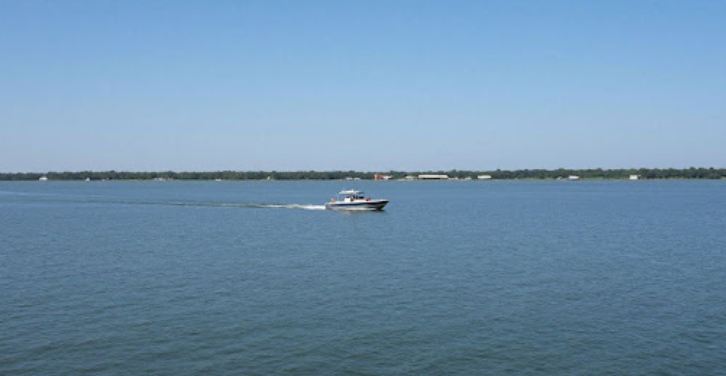
Texas is home to some truly massive lakes, and while they’re fantastic for cooling off and having fun, each one comes with its own set of unique dangers. It’s not just about avoiding other boats; the water itself and the way the lake is shaped can create tricky situations.
Canyon Lake’s Congested Coves and Narrow Passages
Canyon Lake, a real gem in Comal County, gets incredibly busy, especially during peak season. Think lots of boats, from jet skis to bigger ski boats, all trying to share the same space. This can lead to a lot of close calls. The lake’s layout, with its many coves and inlets, means there are plenty of blind spots. You might not see another boat coming around a bend until it’s too late, and that’s where collisions often happen. Plus, some of the channels connecting different parts of the lake are pretty narrow. Trying to get a larger boat through these tight spots can be a real challenge, increasing the risk of scraping against the sides or hitting another vessel.
Medina Lake’s Shifting Water Levels and Submerged Obstacles
Medina Lake, which spans across Medina and Bandera counties, has a personality all its own, largely due to how much its water level can change. When the water is low, which happens quite a bit during dry spells, a whole host of things that were once underwater suddenly become a hazard. We’re talking about tree stumps, rocks, and other debris that can seriously damage a boat’s hull or propeller if you hit them. Even when the water is higher, if you’re not familiar with the lake’s current depth or haven’t checked recent conditions, you could easily run aground or strike something hidden beneath the surface. It really demands constant attention from the person driving the boat.
Unique Dangers of Other Major Texas Waterways
It’s not just Canyon and Medina lakes, either. Other popular spots have their own quirks. For instance, Lake Conroe has seen a concerning number of fatalities, with drowning and collisions being major issues, often linked to overcrowding and people not wearing life jackets. Lake Travis and Lake Lewisville also have their share of accidents. Cedar Creek Lake and Joe Pool Lake are other large bodies of water where safety concerns have been raised due to the number of incidents. Basically, every major lake in Texas has its own set of potential problems, whether it’s underwater hazards, crowded conditions, or specific weather patterns that can make boating tricky. Knowing the specific risks of the lake you’re on is a big part of staying safe.
It’s easy to get caught up in the fun and forget that lakes are powerful natural environments. Unexpected currents, sudden weather changes, and the sheer volume of other watercraft can all contribute to dangerous situations. Being prepared and aware is key.
Steps to Take After a Boating Incident
So, you’ve had a boating accident. It’s a stressful situation, no doubt about it. The first thing you need to do is make sure everyone is okay. Check for injuries and administer basic first aid if you can. Safety first, always.
Immediate Safety and Reporting Procedures
After ensuring everyone’s immediate safety, the next step is to report the incident. Depending on the severity, you’ll need to contact the Texas Parks and Wildlife Department or local law enforcement. It’s a legal requirement, so don’t skip it. If there are injuries that need more than just basic first aid, or if the damage to the boats looks like it’s over $2,000, you’ve got about 30 days to get that report filed. For fatal accidents, law enforcement needs to be involved right away.
Gathering Evidence and Documenting the Scene
This part is super important for later, especially if things get complicated. Start taking pictures and videos of everything. Get shots of the damage to all the boats involved, any visible injuries, and the general scene. If there were any witnesses, get their contact information too. Their accounts can be really helpful. Also, jot down details like the time of day, the weather, and exactly where you were. This all helps paint a clearer picture of what happened.
Seeking Medical Attention and Legal Counsel
Even if you feel fine after the accident, it’s a good idea to get checked out by a doctor. Some injuries don’t show up right away, and you don’t want them to get worse later. Don’t downplay any pain or discomfort you’re feeling. If the accident was serious, or if you’re unsure about how to proceed, talking to a lawyer who knows about boating accidents is a smart move. They can help you understand your rights and what compensation you might be entitled to. It’s better to be prepared than to be caught off guard.
Here’s a quick rundown of what to do:
- Check on everyone’s well-being and provide first aid.
- Report the accident to the proper authorities.
- Exchange information with other boat operators.
- Document the scene thoroughly with photos and notes.
- Seek medical evaluation for all involved.
- Consult with a legal professional if necessary.
Dealing with the aftermath of a boating accident can be overwhelming. Prioritizing safety, following reporting procedures, and documenting everything are key steps to managing the situation effectively and protecting your interests moving forward.
Preventing Accidents on the Largest Lakes in Texas
Staying safe out on Texas’s big lakes like Canyon Lake and Medina Lake isn’t just about having fun; it’s about making sure everyone gets home okay. A lot of accidents boil down to simple things that can be avoided with a little common sense and preparation. Paying attention and following the rules are the biggest keys to a safe day on the water.
Importance of Proper Vessel Maintenance
Keeping your boat in good shape is non-negotiable. Think of it like taking care of your car – if you skip the oil changes, things start to go wrong. For boats, this means checking the engine, steering, and electrical systems regularly. A sudden engine failure can leave you stranded, and a steering issue can be downright dangerous, especially in busy areas. Hull integrity is also super important; you don’t want your boat taking on water unexpectedly.
- Engine Checks: Make sure the motor runs smoothly and has enough fuel. Check for any leaks.
- Steering and Controls: Test the steering wheel and throttle to ensure they respond correctly.
- Electrical Systems: Verify that navigation lights, horn, and any other electrical equipment are working.
- Hull Inspection: Look for any cracks or damage that could let water in.
Adhering to Safety Regulations and Rules
Texas has specific rules for boating, and they’re there for a reason. Speed limits, right-of-way rules, and no-wake zones help keep things orderly and prevent collisions. It’s easy to get caught up in the excitement, but remember that other boats, swimmers, and water skiers are out there too. Being aware of your surroundings and respecting the rules makes the water safer for everyone.
Ignoring posted speed limits or right-of-way rules is a common mistake that leads to serious trouble. Always be aware of who has the right of way and adjust your speed accordingly, especially in crowded areas or near shorelines.
The Role of Life-Saving Equipment
This is a big one, especially on lakes where conditions can change. Having the right life-saving gear and knowing how to use it can literally save a life. This includes:
- Life Jackets: Make sure you have enough for everyone on board, and that they fit properly. Kids should wear them at all times. It’s shocking how many accidents happen where victims weren’t wearing life jackets.
- Fire Extinguishers: Keep them accessible and charged.
- Visual Distress Signals: Flares or other signaling devices can be critical if you need help.
- First-Aid Kit: A well-stocked kit is a must for any minor injuries that might occur.
Wrapping Up: Staying Safe on Texas Waters
Texas lakes like Canyon Lake and Medina Lake are fantastic spots for fun, but they also come with risks. We’ve talked about how common accidents are, often due to things like inexperience, going too fast, or drinking and boating. These incidents can lead to serious injuries, and figuring out who’s responsible and what comes next can get complicated fast. Remember, safety should always be the top priority out there. Following the rules, paying attention, and making smart choices can prevent a lot of heartache. If the worst does happen, knowing your options and seeking help if you need it is key to getting back on track.
Frequently Asked Questions
What are the most common reasons for boat accidents in Texas?
Many boat accidents happen because the person driving the boat isn’t paying attention or doesn’t have enough experience. Going too fast, drinking alcohol or using drugs while boating, bad weather, and equipment problems are also big reasons for accidents.
How does alcohol affect boating safety?
Drinking alcohol before or while boating can seriously slow down your reaction time and make it hard to steer the boat safely. The sun and movement of the boat can make the effects of alcohol even stronger, leading to dangerous mistakes.
What kind of injuries are common in Texas boating accidents?
People can get really hurt in boat accidents. Injuries from hitting propellers can cause bad cuts or even lost limbs. Collisions can lead to broken bones, head injuries, and spine damage. Sadly, drowning and near-drowning are also serious risks.
What should I do if I’m in a boating accident?
First, make sure everyone is safe and give first aid if needed. Then, report the accident to the authorities. Try to get information from others involved and take pictures of the scene and any injuries. It’s also important to see a doctor and talk to a lawyer.
Are there specific dangers on lakes like Canyon Lake or Medina Lake?
Yes, different lakes have unique risks. Canyon Lake can be crowded with many boats in narrow areas, leading to collisions. Medina Lake has changing water levels that can hide obstacles underwater, and its shoreline can be tricky to navigate.
What are the legal rules about fault in Texas boating accidents?
In Texas, if you’re partly at fault for an accident, your compensation might be reduced. If you’re found to be more than 50% responsible, you might not get any money. It’s important to figure out who was negligent, meaning they didn’t act with reasonable care.